
There’s something special about primitive and country decor. It’s not just “home decor.”It’s warmth. Nostalgia. Story. A feeling people want to bring into their homes. And that’s exactly why selling it online can be so powerful… if it’s done right. If you’re thinking about starting (or improving) your online shop for primitive, rustic, or country-style […]
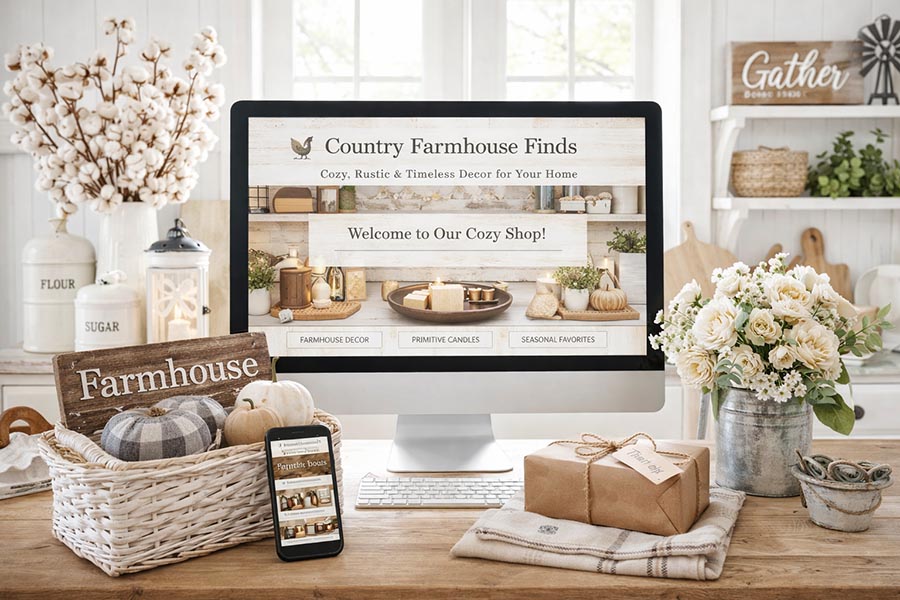
There’s something special about primitive and country decor.
It’s not just “home decor.”
It’s warmth. Nostalgia. Story. A feeling people want to bring into their homes.
And that’s exactly why selling it online can be so powerful… if it’s done right.
If you’re thinking about starting (or improving) your online shop for primitive, rustic, or country-style items, here’s a simple, no-overwhelm guide to help you do it the right way.
Before anything else, get clear on your focus.
Primitive and country decor is a broad category, so narrowing it down helps you stand out.
You might sell:
👉 The more specific your style, the easier it is to attract the right customers.
You have a few great options depending on how you want to run your business:
Create your own items:
✔️ Best for higher profit
✔️ Builds a unique brand
Buy in bulk and resell:
Look for:
Some places to explore:
✔️ Faster to scale
✔️ Less time making products
Perfect for that authentic primitive feel:
✔️ Unique, one-of-a-kind pieces
✔️ Higher perceived value
You don’t need anything complicated.
But you do need the right foundation.
Not just a place to list products — but a place that feels like your shop.
Your website should:
👉 This is where most shops go wrong — they look like a product grid instead of a curated experience.
You’ll need a way to accept payments:
Decide:
This is EVERYTHING for your niche.
Instead of plain product shots:
👉 People don’t just buy the item… they buy how it feels in their home.
This is where you can stand out big time.
Most primitive shops just list products.
The ones that succeed create an experience.
Here’s what your site should have:
Right away, visitors should feel something like:
Make it easy to shop:
Instead of random listings, group items like:
👉 This helps customers shop with intention.
People need to feel comfortable buying:
Guide visitors:
Once your site is ready, you need people to find it.
The best platforms for this niche:
Perfect for decor:
This is your secret weapon:
Most shops make this mistake:
👉 They build a website that just lists products
Instead of one that:
Primitive and country decor is emotional.
If your site doesn’t reflect that…
People browse and leave.
You don’t need a huge inventory or complicated setup to start.
You just need:
Start simple.
Build as you go.
Focus on the feeling you’re creating.
Because that’s what people are really buying.
✨ Want help setting up your shop or improving your website?
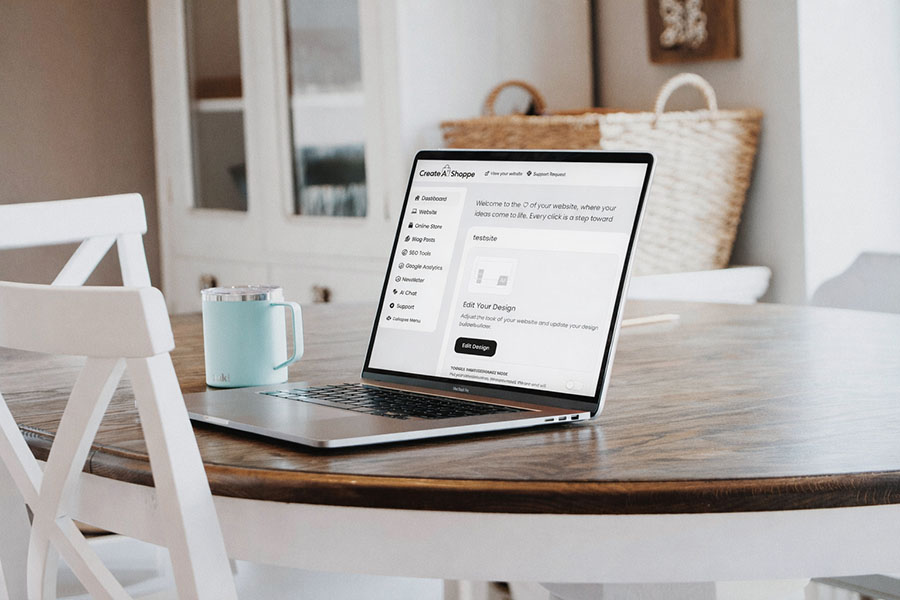
Create A Shoppe makes it easy to launch a beautiful, ready-to-sell website, without the stress or tech overwhelm.
And if you don’t want to do it alone… we can help you every step of the way.